
Why do people gamble? Delving into motivations and behaviors in play
Understanding the Thrill of Risk
One of the primary reasons people engage in gambling activities is the thrill associated with risk-taking. The adrenaline rush that accompanies placing bets or spinning reels creates a sense of excitement that many individuals find exhilarating. This thrill can provide an escape from everyday monotony, offering a brief respite from life’s pressures.
The desire to challenge oneself and potentially outsmart chance also plays a significant role. Gamblers often view their decisions in games like poker or blackjack as strategic, where skill can influence outcomes. This perception transforms the act of gambling into a contest of wits, further driving people to participate in these activities.

Furthermore, the unpredictable nature of gambling keeps players on edge, as each game presents an entirely new scenario. This uncertainty not only fuels excitement but also stimulates a strong emotional reaction every time a bet is placed. The volatile outcomes in games can evoke a sense of triumph or despair, making the experience all the more compelling.
The Allure of Financial Gain
Another compelling motivation behind gambling is the potential for financial gain. Many individuals are drawn to the idea of winning big, often imagining how life could improve with sudden wealth. This allure can sometimes lead people to prioritize the hope of winning over the reality that most will not experience significant monetary returns.
Interestingly, the psychology of winning also reinforces this behavior. When individuals do win, even small amounts, it can trigger an emotional response that creates a desire to continue gambling. This cycle can lead to habitual gambling as they seek to replicate the feelings associated with that initial win. The prospect of future wins often overshadows the risks involved, making it easy for gamblers to push their limits.
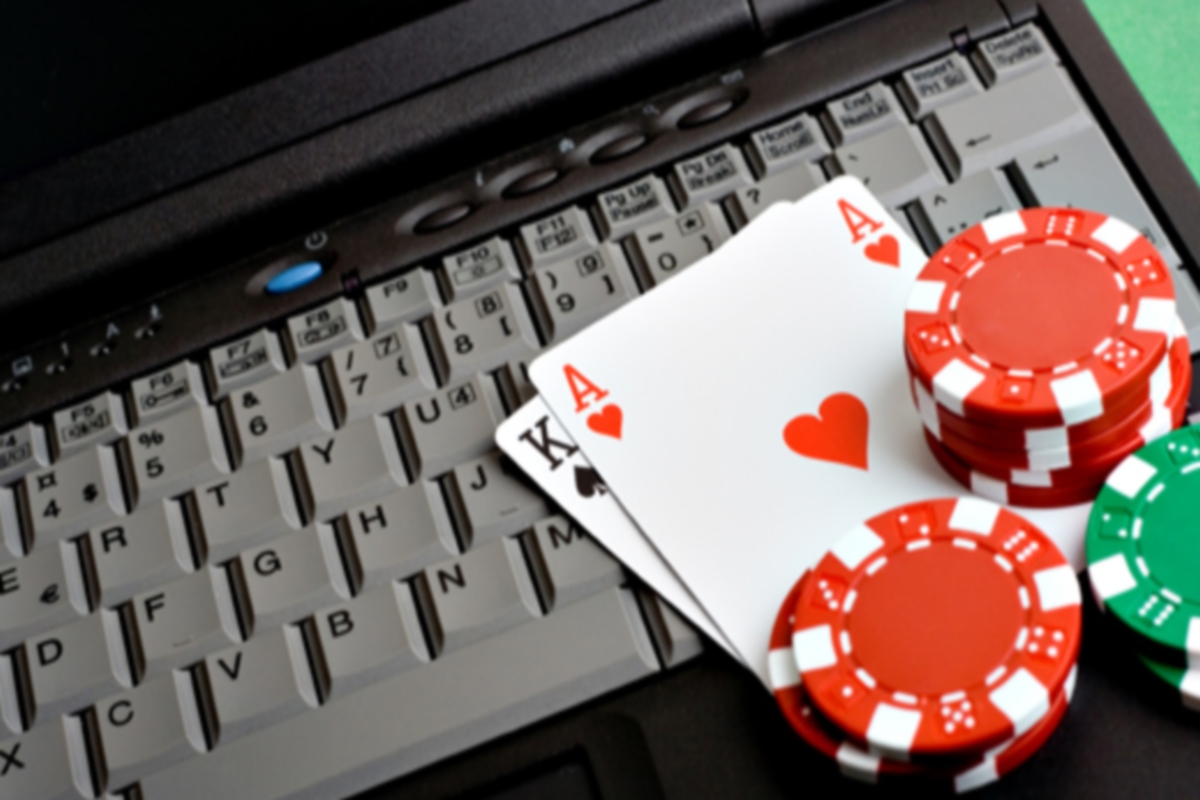
Additionally, the financial incentives can be magnified by promotions and bonuses offered by casinos and online platforms. These enticing offers can create a perception of greater potential returns, thus drawing more players into the cycle of gambling in hopes of hitting the jackpot.
Social Aspects of Gambling
Gambling often serves as a social activity, and many participants enjoy the camaraderie it fosters. Gatherings at casinos, poker nights, or betting on sports can enhance relationships and provide a sense of belonging. For some, the social dimension of gambling is as appealing as the activity itself, making it a communal event rather than just a personal endeavor.
Moreover, group dynamics can influence individuals’ betting behaviors. Social pressure or the need to fit in can lead people to participate in gambling activities that they might otherwise avoid. This phenomenon highlights the interplay between individual choices and social interactions in gambling scenarios. Many people find themselves drawn into gambling through friends or family, illustrating how social relationships can play a pivotal role in shaping gambling behaviors.
Even within the context of online gambling, social features such as chat rooms and multiplayer games continue to cultivate a sense of community, enabling players to interact and share their experiences. This maintains the social aspect of gambling, making it relatable and more engaging for individuals.
Escape from Reality
For many, gambling acts as an escape mechanism from stress or emotional turmoil. Life challenges, such as financial worries or personal struggles, can drive individuals to seek solace in the unpredictable nature of gambling. The act can distract them from their problems, providing a temporary reprieve.
This escape can, however, lead to problematic gambling behavior. As individuals rely on gambling to cope with life’s difficulties, they may neglect other responsibilities or relationships. Understanding this aspect of gambling behavior is crucial for recognizing when it shifts from a recreational activity to a harmful addiction. Such dependencies can create a vicious cycle where further gambling is pursued to alleviate the anxiety initially created by other life stressors.
Recognizing that gambling serves as a coping mechanism is the first step towards addressing it. This insight can be valuable for individuals and their loved ones, guiding them to seek healthier alternatives for dealing with life’s pressures.
Exploring Online Gambling Options
The rise of online gambling platforms has transformed the landscape of betting. With myriad options available at the click of a button, individuals can now engage in their favorite games without the need for physical presence at a casino. This accessibility has made gambling more enticing for some, as they can participate from the comfort of their homes.
For those seeking the best-paying online games, platforms like best paying online pokies australia provide exciting options that cater to a wide range of preferences and experiences. The convenience of online gambling combined with the motivations discussed, such as financial gain and social interaction, continues to draw participants into this expansive digital frontier.
Additionally, advancements in technology and gaming design have created immersive experiences that further enhance the appeal of online gambling. Virtual reality and live dealer games offer thrilling experiences that closely resemble being in a physical casino. This blend of reality and technology provides an even stronger attraction for potential gamblers, creating new avenues for engagement and participation in gambling activities.